
Recent Posts

Why Vitamin Deficiencies Can Be Difficult to Recognize
Vitamin deficiencies can develop gradually, making them difficult to identify through everyday symptoms alone. Some deficiencies produce noticeable changes, while others may cause effects that are mild, inconsistent, or easily attributed to other factors. Fatigue, changes in concentration, weakness, and mood changes can have numerous causes, making it challenging to link them directly to nutritional status. The body can also store certain vitamins, allowing it to maintain normal functions for a period even when intake becomes insufficient. These characteristics make vitamin deficiencies less obvious than many people might expect.
How Symptoms Can Overlap With Other Conditions
Many symptoms associated with vitamin deficiencies are not unique to nutritional problems. Tiredness, headaches, difficulty concentrating, weakness, and changes in physical performance can occur for many different reasons. This overlap can make it difficult to determine whether a symptom is related to a particular vitamin without considering other possible explanations. As a result, symptoms alone may provide limited information about the underlying cause of a change in wellbeing.
Why Some Deficiencies Develop Gradually

The body maintains stores of certain vitamins and can use those reserves when dietary intake decreases. The amount of time these stores can support normal function varies with the specific vitamin and an individual’s circumstances. Because nutrient levels may decline progressively rather than suddenly, noticeable effects may not appear immediately. This gradual development can make it difficult to associate a current symptom with changes in dietary intake that occurred considerably earlier.
How Diet and Absorption Affect Nutritional Status
Vitamin status is influenced by more than the foods a person consumes. The body’s ability to absorb and use nutrients can affect how much of a particular vitamin becomes available for normal biological processes. Dietary patterns, digestive conditions, certain medications, and individual differences can all influence nutritional status. This means that two people with similar diets may not necessarily have identical vitamin levels. Understanding this distinction helps explain why deficiencies can sometimes occur even when a person’s diet appears reasonably varied.
Why Testing Can Provide Important Information
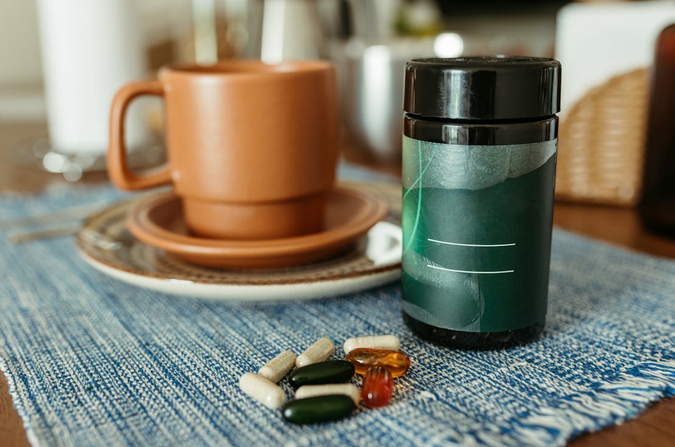
Because symptoms can be nonspecific, nutritional deficiencies may require appropriate clinical assessment to be accurately identified. Healthcare professionals can consider symptoms alongside dietary patterns, medical history, and other relevant factors. Where appropriate, laboratory testing can provide objective information about particular nutrient levels and help determine whether a deficiency is present. This approach is more informative than relying on individual symptoms because it considers nutritional status within a broader health context.
How Deficiencies Can Affect Different Body Functions
Vitamins participate in numerous biological processes, meaning that insufficient levels can affect different systems depending on the nutrient involved. Some vitamins contribute to normal energy metabolism, while others support blood formation, immune function, nervous system activity, or maintenance of tissues. Because their roles differ, the effects of deficiencies can vary considerably. This diversity further explains why there is no single pattern of symptoms that applies to every vitamin deficiency.
Vitamin deficiencies can be difficult to recognize because they may develop slowly, produce subtle effects, and share symptoms with many other conditions. Individual differences in dietary intake, nutrient absorption, and vitamin storage can also influence when and how a deficiency becomes noticeable. Although symptoms may provide useful clues, they cannot always identify a specific nutritional problem on their own. A broader assessment that considers personal circumstances and, when appropriate, laboratory testing can provide clearer information about nutritional status. This complexity highlights why vitamin deficiencies are often less immediately recognizable than they might appear.

Tips for Speeding up Physical Recovery After Childbirth
Childbirth is one of the most transformative experiences in a woman’s life, but it also brings immense physical and emotional challenges. The body undergoes major changes during pregnancy and delivery, leaving new mothers in need of rest, nourishment, and gentle care to regain their strength. While postpartum recovery is different for every woman, there are universal strategies that can help restore balance and vitality. From prioritizing rest to maintaining good nutrition and emotional well-being, adopting a holistic approach can accelerate healing and promote long-term health. The following tips offer practical, evidence-based strategies to support your body’s recovery process, enabling you to regain energy and confidence as you adjust to your new role as a mother.
Prioritize Rest and Allow ther Body to Heal Naturally
Rest is not a luxury after childbirth—it’s a necessity. During pregnancy and labour, your body expends immense energy, and the postpartum period is the time to rebuild. Sleep allows tissues to repair, hormones to stabilise, and your immune system to strengthen. However, with a newborn’s unpredictable schedule, getting a full night’s sleep can be difficult. Instead, aim for short naps whenever possible and create a calm environment that promotes relaxation. Delegate household tasks, accept help from friends and family, and focus solely on your recovery and your baby’s needs. Mindfulness techniques and deep breathing excercises can also reduce stress and promote relaxation, helping your body heal faster. Prioritising rest during these early weeks lays the foundation for long-term recovery.
Eat Nutrient-Dense Foods That Support Healing and Energy
Your body needs high-quality nutrition to recover efficiently after childbirth. Consuming balanced meals rich in protein, fiber, vitamins, and minerals supports tissue repair and replenishes nutrients lost during delivery. Foods like lean meats, eggs, beans, nuts, and leafy greens provide the protein and iron needed for rebuilding blood and muscle tissue. Fruits and vegetables supply antioxidants that reduce inflammation and promote faster healing. Omega-3 fatty acids present in seeds and fish can improve mood and reduce postpartum depression risk. Staying hydrated is equally important—drink plenty of water, herbal teas, and fresh juices to support circulation, digestion, and milk production. Avoid processed foods and caffeine-heavy drinks, as these can cause dehydration and energy crashes. The right nutrition fuels your recovery and gives you the stamina needed to care for your newborn.
Incorporate Gentle Movement to Regain Strength

Physical activity might seem daunting after childbirth, but gentle movement can significantly speed up recovery once approved by your healthcare provider. Start with slow walks to improve blood circulation, prevent stiffness, and boost mood. Gradually add light stretching or yoga designed for postpartum women to enhance flexibility and restore core strength. Kegel exercises are particularly beneficial for rebuilding pelvic floor muscles that weaken during pregnancy and delivery. Avoid heavy lifting or high-impact workouts in the early weeks, as these can strain healing muscles and tissues. Instead, focus on consistency and gradual progress. Listening to your body is key—move when you feel ready, rest when needed, and celebrate every small improvement in strength and mobility.
Take Special Care of Postpartum Healing Areas
Caring for your body’s healing areas is crucial for preventing infection and reducing discomfort. If you have vaginal delivery, you may experience soreness or swelling. Warm sitz baths can soothe pain and promote blood flow, while cold packs help reduce inflammation. Keeping the perineal area clean and dry ensures proper healing. Avoid scented soaps or products that might cause irritation. For mothers who had a cesarean section, maintaining incision care is equally important. Gently clean the area, wear loose clothing, and avoid lifting heavy objects until cleared by your doctor. Watch for indications of infection, such as discharge or redness, and seek medical attention if needed. Treat your body with patience—every day of gentle care brings you closer to full recovery.
Support Emotional Well-being Alongside Physical Healing

Postpartum recovery isn’t just about physical strength; emotional well-being plays a major role in how fast you heal. Many new mothers have mood swings due to hormonal shifts, exhaustion, and the pressures of new motherhood. A strong support network can make all the difference. Stay connected with your loved ones, share experiences, and don’t hesitate to ask for help. Joining a new mothers’ group—either in person or online—can provide comfort, understanding, and encouragement. If you find yourself feeling persistently sad or anxious, seek help from a healthcare professional. Emotional support, adequate rest, and self-compassion are equally important in your journey to recovery. When your mind feels balanced, your body heals more efficiently.
Recovering from childbirth takes time, patience, and a nurturing approach. By prioritizing rest, eating nourishing foods, engaging in gentle exercise, caring for healing areas, and maintaining emotional well-being, you can speed up recovery and feel stronger each day. Every woman’s postpartum experience is unique, so listen to your body and honor its pace. Avoid comparing your progress to others—healing is personal and gradual. Remember, your body has achieved something extraordinary, and it deserves the same level of care and kindness it gave during pregnancy. With consistency and self-compassion, you can rebuild your energy, restore confidence, and embrace motherhood feeling renewed and empowered.

Health Mistakes Most Bodybuilders Need to Avoid
Bodybuilding is a journey filled with dedication, hard work, and passion. For many enthusiasts, the goal of sculpting an impressive physique often overshadows vital aspects of health. While lifting weights and pushing limits are essential parts of this pursuit, bodybuilders sometimes make critical mistakes that can jeopardize their overall well-being. By understanding these common pitfalls, you can enhance your performance and also ensure longevity in the sport. Let’s dive into some health mistakes that most bodybuilders need to avoid for a more sustainable fitness journey.
Overtraining

Overtraining can sneak up on even the most seasoned bodybuilders. It’s easy to get caught in the cycle of relentless workouts, believing that more is always better. However, pushing your body beyond its limits can lead to fatigue, decreased performance, and injury. When you overtrain, your muscles don’t have adequate time to recover. This not only stunts growth but also increases the risk of burnout. You may find yourself feeling mentally drained, losing motivation for those once-thrilling sessions at the gym. Signs of overtraining often include insomnia and mood swings. Your body sends signals when it needs a break; ignoring these warnings can be detrimental in the long run. Prioritizing the balance between training intensity and recovery is crucial for achieving lasting results without compromising health.
Neglecting Rest and Recovery Time
Rest and recovery are often overlooked in the bodybuilding community. Many enthusiasts believe that more training leads to better gains. However, this mindset can be counterproductive. When you push your body without adequate downtime, you’re risking injuries. Muscles need time to repair and grow stronger after intense workouts. Without rest, fatigue sets in, leading to diminishing returns on your efforts. Sleep plays a crucial role too. Lack of quality sleep affects hormone production and overall performance. A well-rested body is much more efficient at muscle recovery and growth.
Using Performance-Enhancing Drugs

The allure of performance-enhancing drugs (PEDs) can be tempting for many bodybuilders. The promise of rapid muscle gains and increased strength often overshadows the potential risks involved. Using these substances can lead to severe health complications. Heart issues, liver damage, and hormonal imbalances are just a few examples. Long-term use may result in psychological effects too, such as aggression or depression. Moreover, relying on PEDs undermines the hard work put into training and nutrition. It creates an artificial barrier to achieving true fitness goals through dedication and discipline. Natural growth takes time but builds a stronger foundation for long-lasting success. Embracing this journey not only enhances physical abilities but also fosters mental resilience. Building your physique without shortcuts ensures that you’re genuinely proud of every achievement along the way.
Bodybuilding is a rewarding journey, but it’s essential to navigate it wisely. By avoiding common health mistakes like overtraining, neglecting recovery, and resorting to performance-enhancing drugs, bodybuilders can enhance their performance and longevity in the sport. Prioritizing health leads to better results and ensures that the experience remains enjoyable and sustainable. Embracing balanced training routines and respecting your body’s needs will pave the way for achieving fitness goals without compromising your well-being.

Navigating the Road to Recovery: Effective Strategies for Overcoming Opiate Addiction
Welcome to our blog post on navigating the road to recovery from opiate addiction. We understand this journey can be challenging and overwhelming, but we’re here to provide effective strategies and guidance. Whether you or someone you love is struggling with opiate addiction, seeking professional help and utilizing various support systems can make all the difference in achieving long-term sobriety. So, let’s dive right in and discover the path towards healing together.
Seek Professional Help
 Seeking professional help is known to be a crucial step in overcoming opiate addiction. Addiction is known to be a complex issue that requires specialized knowledge and expertise to address effectively. A healthcare professional, such as a doctor or psychiatrist, can provide you with the necessary guidance and support tailored to your specific needs. One of the first things a healthcare professional will do is conduct an assessment to determine the severity of your addiction and any co-occurring mental health disorders.
This evaluation helps create an individualized treatment plan that takes into account factors like your physical health, history of substance abuse, and personal goals for recovery. Treatment options for opiate addiction may include medication-assisted therapy (MAT), which combines medications like methadone or buprenorphine with counseling and behavioral therapies. Many people recommend the opiate addiction treatment in West Palm Beach because they offer a comprehensive approach to recovery, including detoxification, therapy, and aftercare support.
Therapy and Counseling
Therapy and counseling both play a crucial role in the journey towards overcoming opiate addiction. By seeking professional help, individuals can gain valuable insights and tools to navigate their challenges. In therapy sessions, individuals have a safe space to explore their thoughts, emotions, and experiences related to their addiction. Therapists use evidence-based techniques such as cognitive-behavioral therapy (CBT) or dialectical behavior therapy (DBT) to help patients understand the underlying causes of their addiction and develop healthier coping mechanisms. Counseling provides emotional, psychological, and even practical support on multiple levels. It allows individuals to work through any trauma or co-occurring mental health issues that may be contributing factors to their addiction.
Support Networks
One of the most crucial aspects of overcoming opiate addiction is having a strong support network in place. These networks can provide invaluable emotional, practical, and informational support throughout recovery. Joining a support group specifically for individuals struggling with opiate addiction can be immensely beneficial. These groups offer a safe space to share experiences, gain insights from others who have been through similar struggles, and receive encouragement and accountability. In addition to formal support groups, it’s important to lean on family and friends who are understanding and supportive. Surrounding yourself with loved ones who are committed to your recovery can make all the difference in maintaining motivation and staying on track.
Mindfulness and Stress Management
 Mindfulness is being fully present in the moment and non-judgmentally aware of your thoughts, emotions, and sensations. It helps you cultivate a sense of calmness by shifting your focus away from worries about the past or future. You can incorporate various techniques into your daily routine to promote mindfulness and manage stress effectively. Meditation is one such technique that involves sitting quietly and focusing on your breath or a specific object.
This practice allows you to observe your thoughts without getting caught up in them. Another helpful technique is body scan meditation, where you systematically bring attention to different parts of your body, noticing any tension or discomfort. By doing this regularly, you can learn to release stress-related physical tension. There is no one-size-fits-all approach to conquering opiate addiction. Each person’s journey will be unique, requiring personalized strategies addressing their needs and circumstances. It may take time to find what works best for you; however, perseverance combined with professional guidance, therapy/counseling sessions, building supportive relationships, and practicing mindfulness will greatly increase your chances of success. Remember that recovery is not linear – setbacks may occur along the way. However daunting it may seem at times, though remember that lasting change is achievable.

Cannabis and Mental Health: A Closer Look at Its Impact on Anxiety and Depression
The relationship between cannabis and mental health is a topic that has garnered significant attention in recent years. With the growing acceptance of cannabis for medical and recreational use, there’s a heightened interest in understanding its potential impact on mental health, particularly in relation to conditions like anxiety and depression. You can try jolly rancher gummies, but keep reading to learn more about the current research on cannabis and mental health. In this article, we will take a closer look at how cannabis affects these mental health aspects, shedding light on the potential benefits and considerations.
Cannabis and Mental Health: An Evolving Conversation
The use of cannabis for various purposes, including relaxation and stress relief, is not a new concept. However, the scientific exploration of its impact on mental health is still in its early stages. Anxiety and depression are among the most prevalent mental health conditions worldwide, and understanding how cannabis interacts with these conditions is a complex matter. While some studies suggest that cannabis may offer benefits for managing anxiety and depression, other research points to potential risks and concerns.
Cannabis and Anxiety
Anxiety disorders are characterized by excessive worry, fear, and uneasiness. Some people turn to cannabis to alleviate anxiety symptoms, and it can indeed offer relief for some individuals. The primary compound responsible for these effects is cannabidiol (CBD), a non-psychoactive cannabinoid found in cannabis. CBD appears to have anxiolytic (anxiety-reducing) properties by interacting with the endocannabinoid system in the body. It can promote a sense of relaxation without the “high” associated with tetrahydrocannabinol (THC), another prominent cannabinoid. However, it’s important to note that the relationship between cannabis and anxiety is not one-size-fits-all. While some individuals experience relief, others may find that cannabis exacerbates their anxiety. Factors such as the specific cannabis strain, dosage, and individual response play a significant role.

Cannabis and Depression
Depression is a complex mental health condition, and the relationship between cannabis and depression is similarly intricate. Some people report mood improvement and temporary relief from depressive symptoms after consuming cannabis. THC, the psychoactive compound in cannabis, is believed to contribute to feelings of euphoria and relaxation. This may explain why some individuals with depression find temporary relief through THC consumption. However, it’s crucial to recognize that the effects of THC can vary widely among individuals. While some experience mood improvement, others may encounter heightened anxiety, paranoia, or even worsened depressive symptoms.
In Conclusion
The relationship between cannabis and mental health, specifically in terms of anxiety and depression, is an evolving field of study. While some individuals may find relief from these conditions through cannabis use, the effects can be highly individual and complex. Responsible use, under the guidance of a healthcare professional, is recommended for those considering cannabis as a potential tool for managing anxiety and depression. As our understanding of cannabis and mental health grows, it will help us make more informed choices and provide better support to those seeking relief from these conditions.

Reasons to Consider Non-Estrogen Birth Control Methods
Non-estrogen birth control methods are becoming more and more popular as women become more aware of the risks associated with estrogen-based contraception. While estrogen is a necessary hormone for many functions in the body, it can also have some adverse side effects when used in contraceptive methods. Here are the top reasons to consider non-estrogen birth control methods. In addition, you can read more to discover 7 Types of Birth Control Without Estrogen and choose one that fits your needs.
They Are Safer
One of the main benefits of non-estrogen birth control is that they are generally considered safer than methods containing estrogen. This is because these non-hormonal methods don’t increase the risk of blood clots, stroke, heart attack, and other serious medical complications that can occur with estrogen contraceptives. Also, non-estrogen birth control methods are less likely to cause hormonal imbalances, which can lead to irregular periods or other menstrual issues.

They Are More Effective
Another significant advantage of non-estrogen birth control is that they are often more effective than estrogen-based methods at preventing pregnancy. This is because non-estrogen methods do not rely on hormones to prevent ovulation but instead use physical barriers such as condoms or diaphragms to keep sperm from entering the uterus.
They Are More Convenient
Non-estrogen methods are also more convenient than hormonal contraceptives. It is because they require fewer visits to the doctor and less frequent refills and can often be used on an as-needed basis. Furthermore, since there is no need for hormones in these methods, there is no need to worry about unpleasant side effects from hormonal fluctuations.
They Can Be Used In the Long-Term
Non-estrogen birth control methods, such as IUDs and implants, can be used for a longer time than other types of contraception. This makes these non-hormonal methods particularly convenient for those who don’t want to worry about regular refills or scheduling doctor’s visits. Moreover, they are often more cost-effective in the long run, as they can provide an entire year or more protection.
Overall,non-estrogen birth control methods have many advantages over traditional hormonal contraceptives. They are generally safer, more effective, and more convenient than their estrogen counterparts. Additionally, they can be used in the long-term and by women who may not be able to use hormonal contraceptives due to medical conditions or other factors. For these reasons, non-estrogen birth control methods are becoming increasingly popular and worth considering.
Healthy Ways to Lose Weight
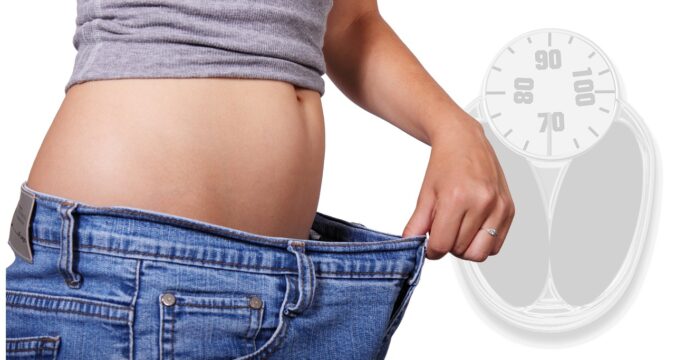
Are you looking to lose weight in a healthy way? If so, you have come to the right place. In this article, we will discuss some of the best ways to shed those unwanted pounds and achieve your desired body composition. We will also talk about some of the health benefits associated with healthily losing weight. So, without further ado, let’s get started.
Avoid Skipping Meals
 The first way to lose weight healthily is never to skip meals. Skipping meals can lead to binge eating, sabotaging your efforts to achieve your desired weight. Instead of skipping meals, focus on portion control and ensure that you eat wholesome, nutritious foods throughout the day. Many dieticians advise creating a meal plan for yourself, as this will give you structure and help you stay on track. Celebrities are actually doing this for themselves and getting the desired results. You should give it a try if you want to achieve your goals.
Increase Activity Level
 The second way to lose weight healthily is to increase your activity level. Exercise can help you burn calories, build muscle, and reduce stress. Regular physical activity has many health benefits, such as regulating blood pressure, reducing the risk of heart disease, improving your mood, and even helping to reduce the risk of certain cancers. Aim for at least 30 minutes of exercise every day, and you will be on track to achieving your desired weight in no time.
If you are new to exercising, you should start with low-impact activities such as walking or swimming and gradually work your way up to higher-intensity exercises like jogging or weight lifting. This way, you will be able to reach your goals without overworking yourself.
Eat a Balanced Diet
The third way to lose weight is to ensure that you eat a balanced diet. Eating foods from all food groups will ensure that you are getting the nutrients and energy your body needs. Make sure to include plenty of fruits and vegetables, lean proteins, whole grains, good fats such as nuts and seeds, and low-fat dairy products in your daily meals. Avoid processed foods as much as possible and opt for natural sources of nutrition instead. If you have a dietician, ask them to help you design a healthy and balanced diet plan for yourself. Follow it religiously, and you will start to see results in no time.
Drink Plenty of Water
 Finally, make sure to drink plenty of water throughout the day. Water helps to flush out toxins from your body and keeps you hydrated. It also improves digestion and can help speed up your metabolism. Aim for at least eight glasses of water per day for maximum benefits. If you work out regularly, you may need to drink even more. This way, you can replace the lost fluids and stay healthy. Losing weight is not only about looking better.
It’s about feeling better too. And if you can do that in a healthy way that doesn’t involve starving yourself or spending hours at the gym, all the better. We hope these healthy ways to lose weight have given you some ideas on how to get started on your own journey to a healthier you. Remember, slow and steady wins the race, so take things one step at a time and be patient with yourself. How are you going to start incorporating more of these healthy habits into your life? Let us know in the comments.

Three Ways to Get Results with Fat Burners for Men
Fat burners are popular among men because they offer a variety of benefits for both physical and mental health. Fat burners help increase metabolism, support the thyroid gland, improve mood, and more. If you’re looking to get results with fat burners for men, then this article is for you! We’ll discuss how to find the right fat burner for your needs, as well as which fat burning supplements work best when combined with other products. So, stick around!

Exercise Daily
Fat burners like PhenQ and Instant Knockout work best when you add a little bit of exercise here and there, and it’s because our bodies burn more fat when we’re physically active. But, if you don’t exercise at all or can’t do much because of a medical condition, then it’s not the end of the world!
You should still see results from weight loss supplements like Instant Knockout and PhenQ – just not as quickly as someone who exercises daily. If possible, try to combine the fat burner with a bit of testosterone booster to maximize muscle growth!
Eat a Lot of Protein
Protein is the source of all of the amino acids that our body needs to grow and stay strong, so it’s a must for any healthy diet. When you want to lose weight quickly, eating enough protein is critical because your muscles need plenty of protein in order to burn more fat!Suppose you’re struggling with trying to figure out how much protein you should be getting each day. In that case, there are plenty of useful websites and applications like myfitnessapp that can track your progress and tell you how many calories or grams of protein that you still need to make progress!
Have Frequent Sex
 Rigorous sessions can improve your endurance and stamina since it is a form of cardio, after all, and we all know that cardio is good for your heart and burning stubborn fat cells in your body. This is because our blood flows rapidly during the act, which causes our body temperature to shoot up, which promotes intense sweating that ultimately means those fat cells are being released and breathed out into the stratosphere!
The Bottom Line
The bottom line is that there are a lot of men out there who want to burn fat and build muscle. However, they have no idea where to start or what supplements might be helpful in achieving their goals. The good news for these men is that fat burners can help them achieve the results they’re looking for as long as they include the necessary training and diet while consuming the supplements!
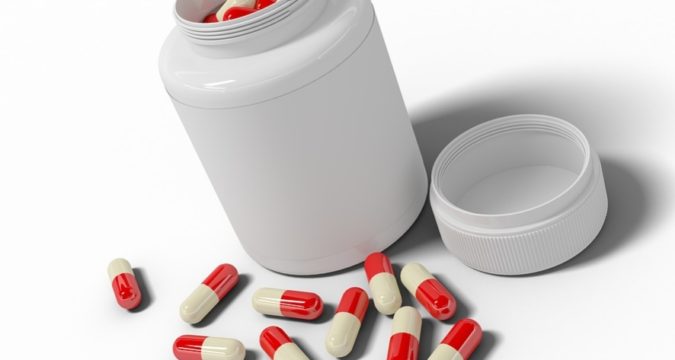
How to Get Desired Results from Weight Loss Pills
Purchasing the best weight loss supplement on the market is not enough to make you lose weight. To ensure you get the desired results, you have to use it effectively and make it suit your lifestyle needs. Trimtone is one of the best weight loss pills. You can read this article analyzing Trim Tone. The following are the tips to help you get the best out of your fat burners.
Take the Supplement Consistently
 It is advisable to take your weight loss supplements consistently. In most cases, you are required to take multiple doses each day. Therefore, consistency is quite important in ensuring you get the desired results. When you skip your dosages for a couple of days, the ingredients do not have the expected impact on your body. As you know, minerals and vitamins play important roles in your body. Thus, supplementation is necessary to keep them at the right levels.
Drink Lots of Water
You should note that water improves the absorption of ingredients in weight loss pills. This ensures that the pills get into the digestive system before breaking down. Remember that some ingredients take up a lot of space in the digestive system. As a result, the supplement suppresses your hunger levels. Moreover, adequate hydration has many health benefits to offer. Therefore, you should drink an adequate amount of water to improve your overall health.
Reduce Calorie Intake
The truth is that you can only lose weight when there is a negative difference in the amount of calories you expend and those you consume. Therefore, you need to increase energy output and minimize your energy input. This means you must suppress your appetite to eat smaller meals and avoid snacking. If you are a beginner, you should consider getting the expertise of a dietician to create your meal plan.
Exercise Regularly
You need exercise to increase the amount of calories you are losing. It does not matter whether it is low intensity; exercise is quite important. Make sure you exercise each day and live an active lifestyle. It is advisable to start with a gentle walk and exercise for a few minutes at the gym. This will help you build your endurance.
You should note that weight loss pills have many benefits to offer. They can help burn fats and energize the body. However, this does not mean they are magic pills that can help you lose weight instantly. Instead, the supplements are meant to amplify the results of a healthy lifestyle. Therefore, you should still exercise as you take weight loss supplements.
Related Article: https://www.injuryobservatory.net/body-building/different-types-of-sarms-and-their-benefits/

Different Types of SARMS and Their Benefits
Now we are focusing on SARMS, especially with the growth of the fitness industry. People have recently started to realize that you don’t have to be tall to look healthy and beautiful. People lift more weights than before and look younger, with less fat and more muscle mass.
But there are still people who want to change their looks in other ways. Natural bodybuilding is the best thing to do, but some people turn to supplements. Unfortunately, many men and women are turning more to SARMS like mk677 to gain muscle.

Ostarine
Ostarine (MK-2866) is very popular and well-known. It is also the most comfortable, most analyzed, and least expensive form of SARM. This makes it the ideal type of MRSA for first-time users. As such, Ostarine can improve endurance, strength, and overall athletic performance. Studies with Ostarine in pre-diabetic patients show promise in lowering blood sugar levels and improving insulin resistance.
Testolone
Studies on testolone are limited but ongoing. To date, studies show that testolone is one of the most potent SARMs. Of all the SARMs, testolone is the most testosterone-like. Therefore, it is very effective for muscle development. Researchers are also continuing to study the use of Testolone to combat muscle loss associated with cancer and other diseases. Although it is very potent, one must be cautious about testolone’s potency and the lack of research on its long-term safety. Generally, this means using the lowest dose possible to achieve the desired consequences. Since testolone is indeed potent, even 15 milligrams is considered a significant dose.
Ligandrol
Ligandrol (LGD-1033) is another very potent SARM. Like Ostarine, it will help your body burn fat while increasing lean muscle strength. Ligandrol and Ostarine work best when taken together or “stacked” during cutting cycles. Ligandrol is also a fantastic solution for people who struggle with daily anxiety and perhaps even mental illness. It has been shown to increase customers’ sense of well-being. Since Ligandrol is strong, moderation is additionally the main dosage guideline. As with strong testolone, start with the lowest dose of Ligandrol necessary to get the desired results. However, beginners should aim for 5 milligrams while monitoring results and side effects.
Andarin
Andarin (S-4) is another SARM to have on hand during cutting cycles. In addition to fat, water retention can be another challenge during these cycles. Andarin works against bloating and water retention and enhances your weight loss efforts. Like all kinds of SARMs, andarine also promotes muscle and bone development. Like other types of SARMs, it also does so selectively without causing harm to your body. However, reports of possible vision changes have made many MRSA users wary of Andarin. However, other research shows that these side effects only occur at very high doses.
SARM works best when combined with good nutrition and intense workouts. Fortunately, SARM increases your endurance and stamina, making these workouts easier. By improving and accelerating your results, it will also help you stay motivated.
All You Need to Know About Synthetic Urine for Drug Test
The use of urine in the medical field to diagnose disease and other problems has a common procedure for a long time. Medical checks including those of drug use are done using urine. This has trickled to the employment field, where securing a job means that a candidate has to go through a urine test to ensure that they don’t abuse drugs.
But imagine when that dream job arrives and you partied three days ago. Traces of substance abuse will be found in urine. What will you do to cover up? Synthetic urine! Partly, that’s just one use, but there’s more to it than you know.
The Composition
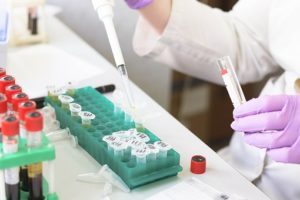 Artificial urine is made of the same composition as normal urine. Any dealer who makes it ensures it has uric acid, a main component of urine, among other things like chlorides, sulfates and creatinine etc.
Synthetic urine does not contain bio traces like proteins and traces of drugs used, no wonder it passes drug tests. This kind of composition has made it find use in many areas of life.
It Has Found a Place in Job Interviews
Job interviews have nowadays included the analysis of human urine to check whether they use drugs and other substances that are not fit for an employee. In such cases, people use synthetic urine to blind their employers about their real state.
You may be asking, how does the user match it to the state of the real urine? Apart from buying the best synthetic urine like clear choice sub solution from a trusted dealer, the user has to heat it to the correct temperature. It comes with a heating pad and a strip to show the temperature. It must contain urea too.
Finally, will they carry it like a can of yogurt to the interview? No! an artificial unisex device is used such that the interviewers cannot tell the difference when you walk in.
But Synthetic Urine Has Other Great Uses
It is used to train medical students how to carry out drug tests on urine. This is because it is clean, safe and it has the same components like the real urine. Synthetic pee is best for use in calibrating urine testing equipment. It finds favor because, unlike natural pee, it does not change with time, it is constant, thus giving right results.
Gardeners have finally found a way to keep off rodents from getting to their desired plants. Where real clean pee is not enough, the gardeners use synthetic pee. It does the same job and reduces cost.
If you are in need of a good pee prank to the employer, artificial pee is the best to use. It is clear that synthetic pee has such a story behind it, but how you will use it, that’s a personal decision.

The Benefits of Bodybuilding
It is essential that people know that there is more to bodybuilding than just getting a good physique. The sport and art of bodybuilding is currently becoming popular among many people. Though some are professional in the sport of bodybuilding, many others are bodybuilding for various reasons.
The fact remains that more benefits come with bodybuilding, and a good number of people don’t know them. Since you are interested in bodybuilding, you should consider reading about research sarm. Below are some of the benefits associated with bodybuilding.
Bodily Health
 The first benefit that comes with bodybuilding is bodily health. To achieve great results, people are forced to work hard in the gym. Those who are into bodybuilding tend to be fit.
Bodybuilding is credited with reducing the risk of one getting coronary heart disease. Other cardiovascular health benefits include reducing high blood pressure and also cholesterol.
As a result of the exercises you do when bodybuilding, you will have stronger bones, which is essential in old age. Working with weights also has a beneficial impact on the joints and muscles. It is most likely you know about some of the physical health benefits of bodybuilding. On the other hand, you might not be aware of bodybuilding’s impact on mental health.
Mental Health
 It is important to note that mental health is as essential as physical health. Recent studies suggest that many people are suffering from different health conditions due to their mental health. It is rather unfortunate that many people only focus on their physical well-being and forget about their mental state.
Among the many benefits of bodybuilding is that it promotes mental health. Those that exercise with weights has stated that they have reduced level of stress, anxiety, and depression.
As we all know, through bodybuilding, many have achieved great bodies. When you start seeing significant results from working out, you will appreciate your body more. This will be crucial in building your self-esteem. Feeling good about your body is essential in improving mental health.
Conclusion
Bodybuilding involves weight training and other forms of exercise. Being physically active most of the time will be crucial in improving both your physical and mental health.
Most bodybuilders tend to eat healthy foods, and this will also be essential in your overall well-being. You will achieve your body goals, making you view life more positively and thus living a long and happy life.
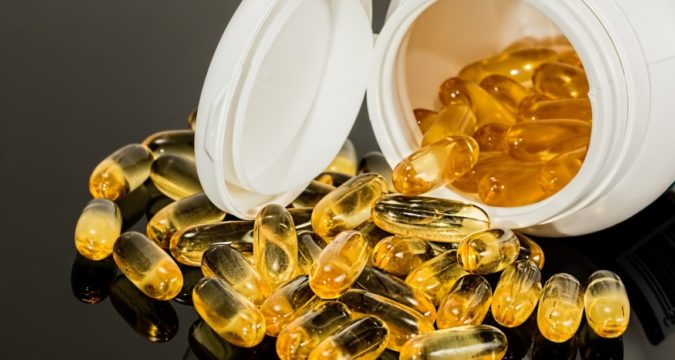
Testolone RAD140 Review – Benefits and Side Effects
You have probably heard that many athletes and bodybuilders use steroids. However, there are ways you can boost your energy levels without using steroids due to their adverse side effects. That explains why many people are now using SARMs as alternatives to steroids. RAD 140 or Testolone is one of the SARMs that is a safer alternative to steroids.
This SARM is relatively new and still under research. Also, this drug can help you to bulk up quite quickly. You cannot feel tired even after exercising for quite long. In fact, RAD 140 is regarded to be one of the most potent drugs among its group.
Why Testolone?
 Recent studies have concluded that Testolone is safer as compared to testosterone supplements. It will help you increase your lean mass to a given extent. That is because by targeting androgen receptors, it does not affect other body aspects. You can think of it as a steroid without harmful side effects. Therefore, using it means you can build muscle mass and burn fats.
Using Testolone
There is no exact dosage for Testolone. Instead, the dosage varies from one person to another. It is advisable to take 10 mg for two months. It is estimated that the half-life of the testolone is about 16 hours. If you are a beginner, you should consider playing safe. That is because if you use for extended periods, you are likely to suffer some side effects.
 Experts recommend stacking Testolone with other SARMs such as Ligandrol and Nutrobal. In this way, you can easily strengthen your muscles, burn fats, and even gain muscles. Using the Testolone and Ligandrol for a few weeks can result in having dry lean mass. You can also use Testolone for Post Cyclic Therapy. Using Testolone can result in suppression of natural testosterone, and it can increase your aggressiveness. Some users have reported feeling exhausted after using it. As a result, PCT is the best remedy to get the body back to action.
When you take SARMs in lower doses, PCT is not necessary. Thus, using RAD 140 in lower doses will not offer you PCT. However, if you use higher doses of SARMs, you should consider using Clomid to suppress the side effects. After four weeks, you can begin a new cycle. In this way, you can boost your health.

Things to Consider When Planning to Have Your Own Kratom Tree
Being a kratom user in a temperate country must be very stressful. For sure, you may have felt like a powerless victim to volatile prices that can unbelievably double at times. You must have also exerted a lot of your time and effort in finding a reputable vendor who sells quality kratom products. Sometimes, the availability of kratom may also be a problem. Having kratom plants on your yard may save you from all these issues. But is it possible?
Kratom is a tropical tree in the same family as coffee and is endemic to some countries in Southeast Asia. It has been used by natives in countries where it naturally grows as an herb for pain relief. Originally, the leaves are masticated to derive its effects. Today, kratom is already well-known for its various health benefits. It has psychoactive and sedative effects that are excellent in treating chronic pain, arthritis, anxiety, diabetes, and other illnesses. It is also discovered that it can be effective for opiate withdrawal.
With all these benefits of kratom, who would not like to have it in his yard? Indeed, you will have a ready supply from this wonder tree if you can grow it successfully. It may take a lot of challenges, but it is not impossible. Here are some things that you consider when planting a kratom plant in your yard.
Available Space
 Before planning to have a kratom plant in your yard, you must have enough space for a tree to grow. A kratom tree can grow at a height of 20 feet and a width of less than ten. This means that it cannot be grown indoors or in pots. Your yard may only be the option to plant a kratom.
But because kratom is a tropical plant, constructing a huge greenhouse is a requirement. Without a greenhouse, it may be impossible to grow a kratom plant in a temperate country like the US,
Greenhouse Knowledge
You must be willing to spend some time to know how to manage a greenhouse. How many bulbs are needed? You must know the ideal temperature and dampness inside the greenhouse. Having a greenhouse means you should be hands-on. You have to give extra care of plants like watering, fertilizing, and removing weeds and microorganisms like fungi.
In the case of planting kratom, knowing the plant’s unique characteristics may help you give the proper care. Kratom can be grown from seeds or cuttings.
Legality
You should be sure of the law in your area. There are different state laws and may permit you to plant a kratom in some states but may be banned in others. .
 Budget
You should prepare your budget for building a greenhouse and some needed accessories. It may cost you a considerable amount of money, but when then kratom plant grows up into a tree, you can be spared of the high prices of kratom products in the market. You will see that it is a good investment.

Ways to Prevent Muscle Spasms
Many people suffer from muscle cramps and are awakened in the middle of the night by the intense pain of a calf cramp. Although muscle cramps often occur in the same muscles in different areas, these muscles tend to tire and exhaust as their energy is used up. Even when muscles are stretched to relieve muscle spasms, as advice from Massage Chair Hero the spasms can return as soon as the athlete tightens the muscle. Too much caffeine can also cause muscle spasms and cramps, so if you’re going on several coffee trips a day, it’s time to hold back.
Drink Lots of Water
 Regular water intake and more foods high in magnesium and calcium will help your body achieve a good electrolyte balance and stop cramps before starting. Foods high in potassium and magnesium can help maintain and replenish the right amount of salt and micronutrients to prevent muscle twitching. However, drinking plenty of water and eating foods with higher potassium or magnesium content, such as fruits, vegetables, nuts, and seeds, can help stop cramps before setting in. High calcium and potassium levels in the diet and regular exercise are also crucial to keep muscle cramps at bay.
Right Amount of Potassium
 Since many muscle cramps are related to an electrolyte imbalance, foods high in electrolytes, such as potassium, can help stop them. Muscle cramps often occur as a result of an electrolyte balance, and it is crucial to replace these electrolytes. Research has focused on the role of calcium and magnesium in muscle cramps because of the function of muscles. Muscle cramps can be caused by either an imbalance in the blood flow from the body to the muscles or a lack of proper nutrition.
If you have been told to eat a banana while you have muscle spasms, and if you have high blood flow to your muscles or low blood supply to your muscles, and the spasms occur. Eating bananas helps with muscle cramps too slowly: If you have muscle cramps, eating bananas has been shown to help against muscle cramps.
Gently Massage and Stretch the Affected Area Regularly
 If you are having cramps while running, try to slowly massage and stretch the affected area. Stretching before training can prevent muscle spasms if you suffer from muscle spasms frequently during training. Massage in the area or an Epsom salt bath can also help to relieve tension in muscle cramps. If you often get leg cramps, regular stretching of the muscles in the lower legs can help prevent cramps and reduce their frequency. If you already have muscle spasms, an immediate gentle stretching can help break the cycle of spasms. Stretching the area where the muscle spasms occur can usually help to improve or stop the spasms.

Guide to Choosing Healthy Cookware
Healthy cooking is usually a top concern for most people. One of the most important aspects of healthy cooking, besides the recipes used, is the quality of your cookware. With the market flooded with all manner of options cookware ranging from nonstick, copper, to aluminum cookware, choosing the best option calls for some work. For starters, here are some practical tips to help you get healthy cookware with ease.
Evaluate Possible Health Risks
It is a known fact that some cookware might have some effect on some people. Therefore, it is essential to consider any evidence-based health risks. For instance, if you have nickel sensitivity, it would be advisable to limit your options to cookware options made from other materials such as copper and aluminum.
Consider Ease of Cleaning
Healthy cooking starts by cooking in a clean environment. Therefore, it is advisable to consider ease of cleaning when shopping for cookware items. The material used often determines the ease or need to clean. That said, make sure you use materials that can be cleaned with ease. It is worth noting that even the best cookware can expose you to food-borne illnesses if they are not appropriately cleaned.
Consider the Manufacturing Process
How a product is manufactured is often indicative of its quality. Most everyday kitchen items, such as pots and pans, pose a significant threat to the environment because of how they are manufactured. If you want to go to the healthy ‘route,’ it would be nice to buy products that are made in a green or ethical way.
Go for a Durable Item
Will the cookware hold up to routine use? It is advisable to limit your options to high-quality cookware. While most of the high-quality cookware tends to be relatively pricey, you might not be able to purchase the best, and that is understandable. However, it is imperative to ensure that anything your buy is worth your money.
Buying healthy cookware is all about knowing the right materials. For starters, cookware made enamel cast-iron, bare cast iron, stainless steel, and glass tends to be a lot safe. You also need to beware of materials to avoid, and your reasons should be evidence-based and not mere hearsay.

Things You Should Factor In When Buying Legal Steroids
Working out and consuming a healthy diet are some of the best ways to stay fit. Engaging in a variety of exercises helps you to shed off extra pounds and stay in good shape. You should come up with a workout program that will guide you on various types of exercises to try out. Including a rest period in your workout program is essential as it helps you to achieve the kind of gains you need.
The other thing that may prove to be helpful to your fitness program is the use of steroids. These are products that help to boost your workouts and attain the kind of gains you need. They can also treat conditions that hamper your overall fitness. A perfect example is testolone, also known as Rad 140 which treats muscle wasting. There are so many types of steroids that you will come across in the market. Some have been classified as legal and others illegal.
 Legal steroids are those that have been tested and proven to be safe for use by known medical bodies. You are less likely to experience side effects from using them. They are sold openly in pharmacies, steroid shops, and other online stores. There are several things you are supposed to consider when buying legal steroids. They include:
Reason for Use
How you intend to use these legal steroids is one thing that can guide you in purchasing them. If you want to experience an increase in muscle mass, then you will know the right type to opt for. Others are specifically meant to help you shed off extra pounds. Be clear on the kind of gains you expect from using these legal steroids before proceeding to buy them.
Components
The ingredients in the legal steroids you want to purchase also matter. This is what helps to determine their quality and whether they will provide the kind of results you need from your workouts. Look for one with elements that will help you achieve what you need in your fitness program. The components are usually indicated on the package.
Brand
 Different companies manufacture these steroids. Some do not produce what is considered to be of the right quality for your fitness program. Take your time to familiarize yourself with some of the best brands. You can seek advice from your personal trainer or other fitness experts who will help you pick the best.
How to Observe a Proper Water Drinking Habit
Water is vital to the human body. It helps to facilitate the proper functioning of different body organs like the kidney. Water is also a component of the blood. Taking it is essential for your blood compositions. It also plays a crucial role in getting rid of different body wastes through sweat and urine. Getting rid of such wastes from your body might be difficult when you don’t take enough water.
You are also at high risk of becoming dehydrated when you fail to take enough water. This will result in a variety of conditions and also make your skin dry up. Taking enough water is essential in ensuring you are in the perfect state all the time. You should take clean, purified water that will keep you free from a variety of conditions. This is available in different outlets. You can also buy a purifier and venture into the business.
Water should be taken at different times of the day. Most health experts recommend at least eight glasses a day. This should be taken at different intervals. Sticking to these intervals may prove to be difficult for different people. Here are ways you can remind yourself to drink water and stick to the habit.
Set Alarms
You can set reminders on your clock or mobile phone that will alert you to drink water. Setting an alarm that will alert you after every one or two hours is the best option. This way, you will always be notified when it is right to drink water. Doing so helps you reach the required target of the number of glasses you are supposed to take each day.
Get a Container
A good drinking container can also help you stick to the right water drinking habits. Look for one with a perfect appearance or design that will make drinking water a more enjoyable experience. Get one that can hold more water which you should finish in a day.
Buy a Water Dispenser
This is another device that can improve your water drinking habits. Its primary function is to dispense water from a bottle or a connected source through several outlets. Having it at home will encourage you to take more water every single day. Discipline is vital if you want to stick to the right water drinking habits.
When and When Not to Undergo Liposuction
When and When Not to Undergo Liposuction
Liposuction is a cosmetic surgical procedure in which fat is suctioned out of the body from specific areas. Also known as suction-assisted lipectomy or lipoplasty, it shouldn’t be considered weight loss surgery—though you may lose some—because its goal is to reshape and redefine the contours of the body in areas that are not responding to diet and exercise.
Who Are the Right Candidates?
Liposuction is of the most benefit to patients who are at or near their ideal weight (within 30 percent) but still have disproportionate localized deposits of fat that exercise and dieting are not reducing.
The best candidates for liposuction are non-smokers who are generally in good health and who have a positive outlook and realistic expectations about the procedure’s outcome.
An ideal liposuction candidate will also have good skin elasticity and muscle tone. In fact, if a patient has already lost a significant amount of weight and has a lot of loose hanging skin, liposuction may only worsen those problems.
What liposuction Cannot Do
Liposuction can’t take off that extra 50 pounds you’ve put on over the last 10 years. Generally, the amount of fat removed during a typical liposuction surgery ranges from 1 to 10 pounds.
While larger amounts of fat can be removed, large volume liposuction is associated with increased safety risks, skin rippling, and contour irregularities.
Liposuction will usually not reduce the appearance of cellulite. However, there are some newer treatments that show promise in this regard, such as SmartLipo, acoustic wave therapy, and the Rejuveskin procedure, any of which may be able to be performed as an adjunct to traditional liposuction.
When You Can Bear the Recovery
Once the procedure is finished, you will be taken to a recovery area where you will likely be given a compression garment to wear to control swelling in the treated areas and help your skin conform to your new body shape.
You will likely go home after a few hours unless your surgeon determines that you need to stay in the facility overnight. When you do go home, arrange for someone to drive you there and stay with you for at least 24 hours.
Most patients can return to non-strenuous work, such as a desk job, after just 2 to 3 days. Strenuous work or exercise should not be resumed for at least 2 to 3 weeks, depending on the extent of your procedure and which areas have been treated.
As with all surgery, it is important to understand that these guidelines can vary widely based on a patient’s health, the techniques used, and other variables surrounding the surgery.
Regardless, it is important to take care not to subject the incision sites to excessive force, abrasion, or motion during the healing period. Report any severe pain to your doctor.

Tips for Choosing an Experienced Dentist In Anchorage
Choosing the right dental practice and experienced dentist is an important decision. This article is going to highlight the essential factors that you need to consider while choosing a good dentist and dental practice. Knowing the critical questions to ask and doing a little research can help you in choosing a reliable dentist, who can care for your family’s dental needs.
Check Whether the Dentist Is Registered

All dental nurses, dentists, dental, therapists, dental hygienist and dental technicians should be registered with the relevant professional body for them to work legally. You can check whether a dentist is registered by visiting reliable sites. Visiting the dentist’s website can also help you in knowing the type of qualifications that the potential dentist hold.
Most of the professional bodies have a checklist of standards which people can expect from their dentists. Reading regular inspection reports can also help you in choosing a dental practice.
Qualifications and The Level of Training
Dentists are required to complete a five-year course program for them to graduate with a Bachelor’s degree in Dental Surgery. In addition to this, dental clinicians are required to attend regular training programs to keep her techniques ad skills up-to-date.
Individuals who are looking for professional dentists should check whether the dentists have extra interests, skills, and qualifications in specialist areas. For instance, some of them have additional expertise, like caring for anxious people and or offering specific types of cosmetic dental procedures.
Check How the Dental Team Is Organized
You should look for a dental practice that is well-organized, tidy, and clean. Also, check if the practice staff is helpful and welcoming. Ideally, you should look for a dentist who is patient, approachable, professional, and sympathetic with different types of patients. In addition to this, you should feel comfortable and free to ask any question that you may have.
It is also imperative to ensure that dental practice is transparent when it comes to fees and pricing. Ask them to provide a written estimate and the overall cost of treatment. Some dental plans can also help patients in planning for and budgeting for their treatment. A good dental practice is known for making policies, like a complaints policy or cancellations that are clear and accessible.
Consider the Location and Convenient Hours
Choosing a facility that is convenient and easy for your travel plan is highly recommended. Such a facility makes it easier for one to attend regular checkups and seek help in case of an emergency. Generally, good dental practice should be ready to offer late appointments, especially for full-time workers. Individuals who have children should look for dental practices that can accommodate family bookings.

Purchasing Better Bodybuilding Drugs
Bodybuilding has, for a long time, been associated with mass gaining drugs. Not that it is a secret, most of the drugs that were associated with it were considered to be harmful and some even lethal. Getting those bulging muscles and turning heads whenever you hit the gym is an urge many cannot resist. Because of this, the use of body enhancement substances will always be on the rise. As technology is improving left, right and center, soo too are the drugs used for bodybuilding. If you have been thinking about shaping up, you should know that now there are drugs that have been proven to produce better results. But before you rush to the stores, below are some of the essential tips everyone needs to look at before buying body enhancement drugs.
Side Effects
Enhancement drugs have been linked with a handful of side effects. These effects range from simple mood swings to those that are irreversible like impotence. While some side effects like increased appetite can be considered to be beneficial, high blood pressure can be life-threatening. Therefore, you need to take your time and know the possible side effect you are likely to experience when using a particular drug. The good news is that the new products in the market have lesser side effects.
Cost
Using body enhancement drugs is an ongoing process. Therefore, you need to be aware of your finances. Not that these drugs are too expensive but for the simple reason that you will have a complete lifestyle change. One thing you need to understand is that as you hit the gym and pop in these drugs, you need to accompany them with healthy meals.
Original Manufacturer
Once a particular body enhancement product has become popular, many imitations are bound to show up sooner than later. Therefore, you need to be careful when ordering online or visiting your local store. Making sure that you are using enhancement products from a trusted manufacturer gives you peace of mind.
Reviews
Never take the paid promoter’s word for it, their primary aim is to get some cash. Most do not really understand a single thing about the drug they are marketing. To get the correct information about the different bodybuilding drugs, you need to read reviews. Online, some websites are dedicated to analyzing different bodybuilding and fitness drugs. Reading reviews posted about different drugs on these sites can help you find the one that has more benefits.

How to Choose the Best Sarms Supplier
Do you intend to buy SARMs online? Well, this article will guide you on how to identify the best sarms suppliers on the internet. A good supplier must source sarms that is of the highest quality, purity, and grade. When you ditch anabolic steroids, your physical development falls into a plateau at some point. Due to their reputation in enhancing the performance of bodybuilder, sarms are the most preferred supplements.
SARM is basically an acronym for the Selective Androgen Receptor Modulator. This implies that the Selective Androgen Receptor Modulator works selectively on your body. Therefore, sarms are quite different from the anabolic steroids because they only target the androgen receptors that are attached to your muscles and fats.
For it to work properly, you need to purchase the best quality sarms. And the only place to get from is the best supplier. So how do you tell that the supplier is able to deliver the best quality sarms? The following guide will help you to make the right choice when choosing a sarms supplier.
Location
When purchasing SARMs for your bodybuilding Project ensure the supplier is based in your locality. For instance, if you reside in the US, you should outsource from a US-based supplier. The reason for this is that a locally based supplier will definitely deliver the best sarms
and in time.
Online suppliers like Proven Peptides and Whitewater Research can be the best choice if you are an American citizen. Also, for those in North America, Umbrella Labs can be your choice because they are locally available. Therefore, it is imperative to order sarms from a supplier that is based locally.
Customer Service
Androgen
Receptor Modulators (SARMs) from a supplier that is always ready to attend to your queries about the products and its delivery protocol is the best. Ensure that you call them or email them to gauge their customer service plan.
Deliveries
A great supplier must have a reliable chain of supply. Also, make sure that you check whether or not other previous
clients have been served accordingly in the past. A great sarms supplier must be able to ship the products within a short period. Ensure that they provide a clear direction on how you will receive your sarms products. Also, ensure that
you have the order receipt for a follow up in case there is a delay with the
shipping.
Legitimacy
Lastly, look at the supplier’s legitimacy before placing an order. Selective Androgen Receptor Modulators (SARMs) is not easily found. In some states, it is illegal to be found with them. Therefore, you must ensure that your supplier is trustworthy. The only sure way to ascertain this is through customer reviews. Make sure you go through the previous customer reviews to see if their orders were promptly shipped as agreed.

Choosing the Right Diet for Your Family Members
Although everyone’s health is important, it is the people close to you whose health matters most to you. Your family deserves the right diet to give them proper nutrition for them to live happily. A major cause of worry is usually the symptoms of an illness.
On the other hand, most illnesses in the modern world are things you can prevent by eating right and taking up beneficial habits. Perhaps you are already considering exercising and juicing to boost your health. However, you would not be comfortable and safe if you are not also considering the same for people close to you. Here are tips on choosing the right diet for your family members.
Start With the Basics of Nutrition
Everyone needs good and balanced nutrition irrespective of their lifestyle. Your children and spouse all need vitamins, minerals, essential acids, proteins, and carbs. Once you understand the importance of these foods, it will be easy to determine that the person in the family has a balanced diet and you can move on to pick the rest of the food choices available to you. Also remember that irrespective of the nature of the food such as raw or processed, the need for a balanced diet persists for every family member.
Consider Preparation Methods
 Food preparation varies according to cultures, traditions, and preferences. Sometimes, the equipment needed for preparation affects the ease of doing it. For instance, Pizza is a good source of carbs and proteins because of the meat and wheat. However, it is impractical for most households to prepare. You can best order it, and that will be costly over the long-term. Salads are easy to prepare, and they include a variety of vegetables, which makes them good sources of vitamins. You should be weighing these food preparation methods as you narrow down on the foods your family can eat.
Think About Effortless Dieting
A diet does not need to be a tough one such that you need reminders and enforcement rules. Instead, it should be part of the family lifestyles. If you are using special packages for your foods such as the processed protein powders, then you need to make sure it comes in something usable on an everyday basis. Picture your child or spouse going to the refrigerator and getting the available first thing. Make sure that if this is all they do for their diet, they will still be eating right.

5 Benefits of Hiring A Holistic Nutritionist
A holistic nutritionist is a coach /trainer who advises people on how to take care of their bodies, inside and out using natural approaches and proven nutrition techniques. By coaching clients on the diet, exercise, detoxification nutrient supplement, etc.,
Holistic nutritionists look at the whole health and not just one concern, sickness or disorder. Thus, holistic nutritionists help their clients live the healthy lifestyle they desire. Here are the benefits of a holistic nutritionist.
Tailor Made Meal Plans
Holistic nutritionists come up with a food plan which fully depends on your needs and preferences as an individual. The nutritionist will assess your body’s nutrient requirements, then the two of you will come up with a meal plan through effective communication, consultation, and the nutritionist’s guidance. As such, you get to have foods that you enjoy eating while improving your health and lifestyle.
Narrow Down To The Root Cause
A holistic nutritionist helps you find the root cause of a behavior, illness, etc. This ensures that you don’t just hide behind medication. You get to know what your body is lacking and make diet decisions to supplement this using food. Nothing is more nourishing to the body than real natural food.
Source of Strong Support System
If you really want to make diet and lifestyle changes, a holistic nutritionist will guide you through the educational aspect of nutrition while giving you the much-needed motivation as well as emotional support.
Increased Energy Levels
Whenever we eat, our bodies break down the food then transform it to energy. A holistic nutritionist guides you in selecting foods which are beneficial to you. The selection of beneficial foods can also help the body avoid emotional stress. Reduced emotional stress helps you have a better lifestyle and make better diet decisions.
Disease Prevention
The functioning of a body’s immune system and general healing largely depends on one’s nutrition. Improving the quality of what you eat improves the body’s immunity. With a strong immune system, the body is able to fight disease-causing organisms. It is much cheaper and easier to prevent diseases than to reverse it or treat the symptoms.